The Cora Blog
Expert insights on training, recovery, sleep, and fitness performance.
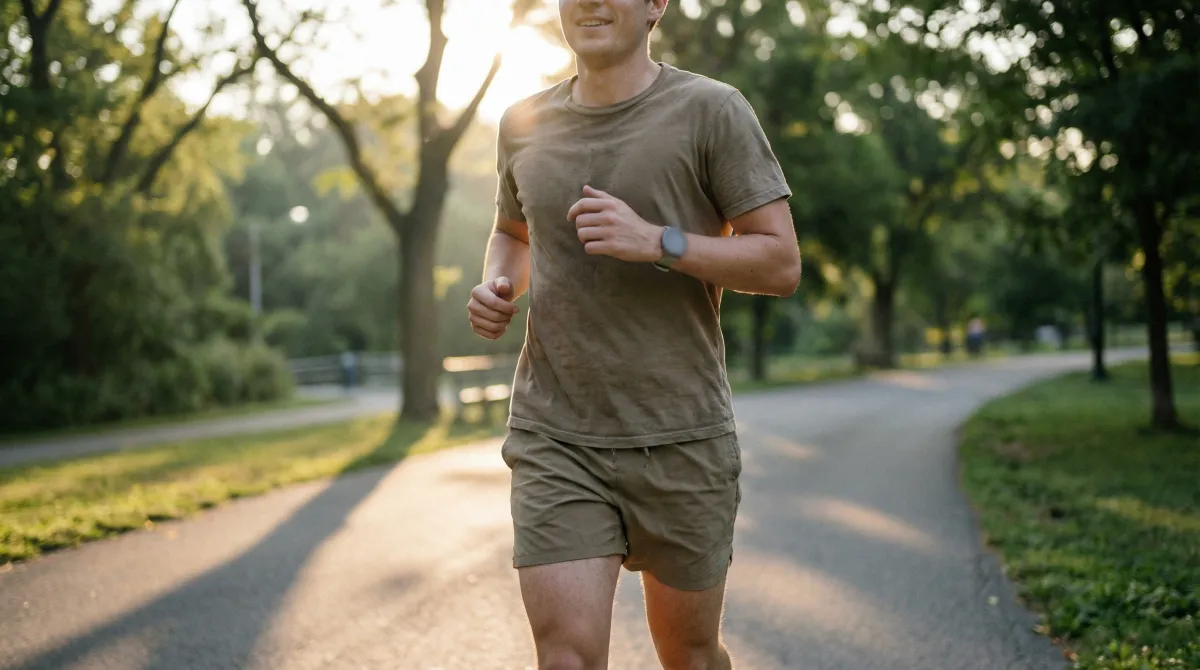
Why Is Zone 2 Training Important?
Discover how low-intensity Zone 2 training can transform your fitness and improve metabolic health.
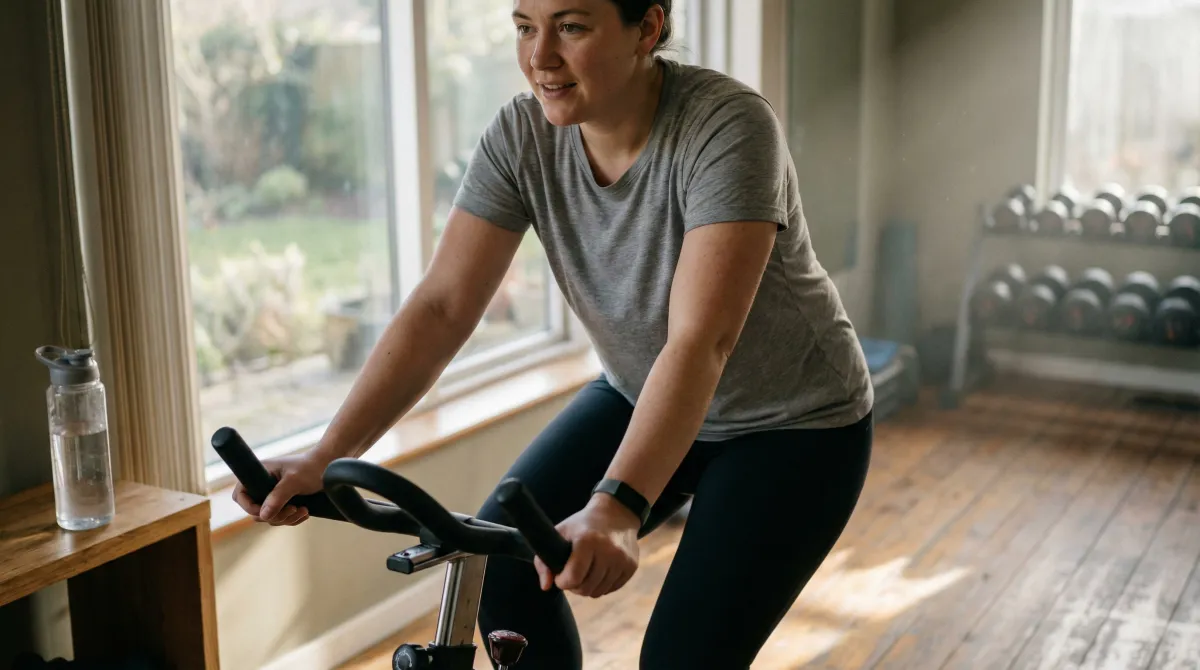
The Basics of Zone 2 Training
Learn how Zone 2 training can improve your cardiovascular health and endurance.
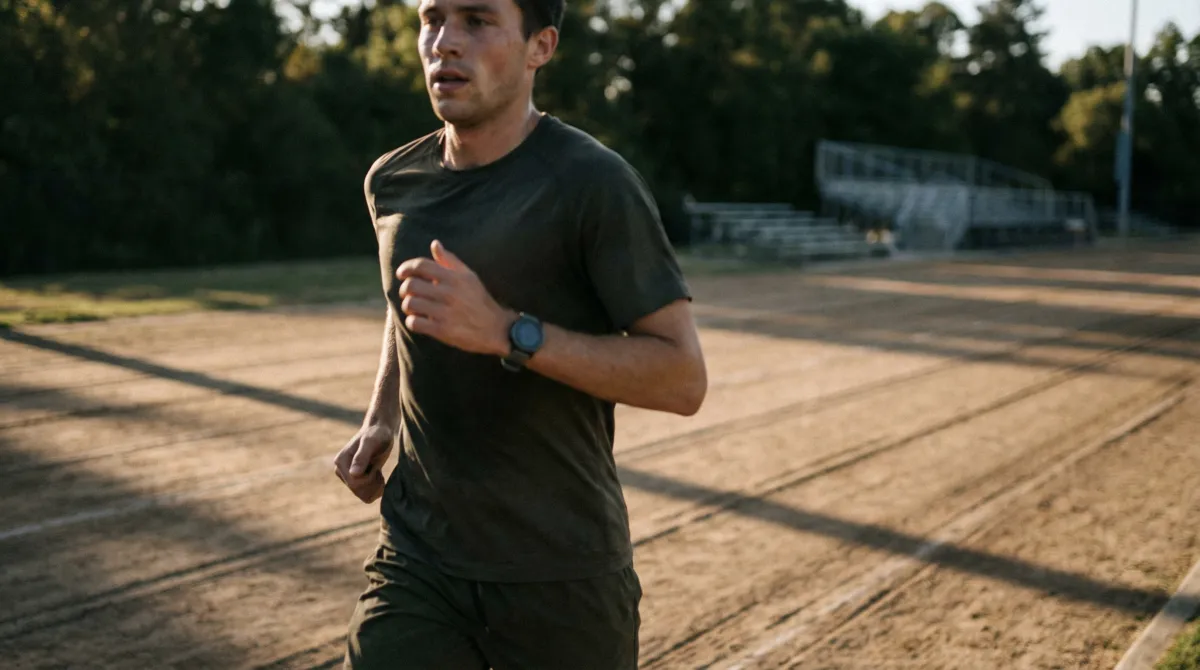
5 Ways to Improve Your VO2 Max
Discover proven methods to increase your VO2 Max and boost your athletic performance.
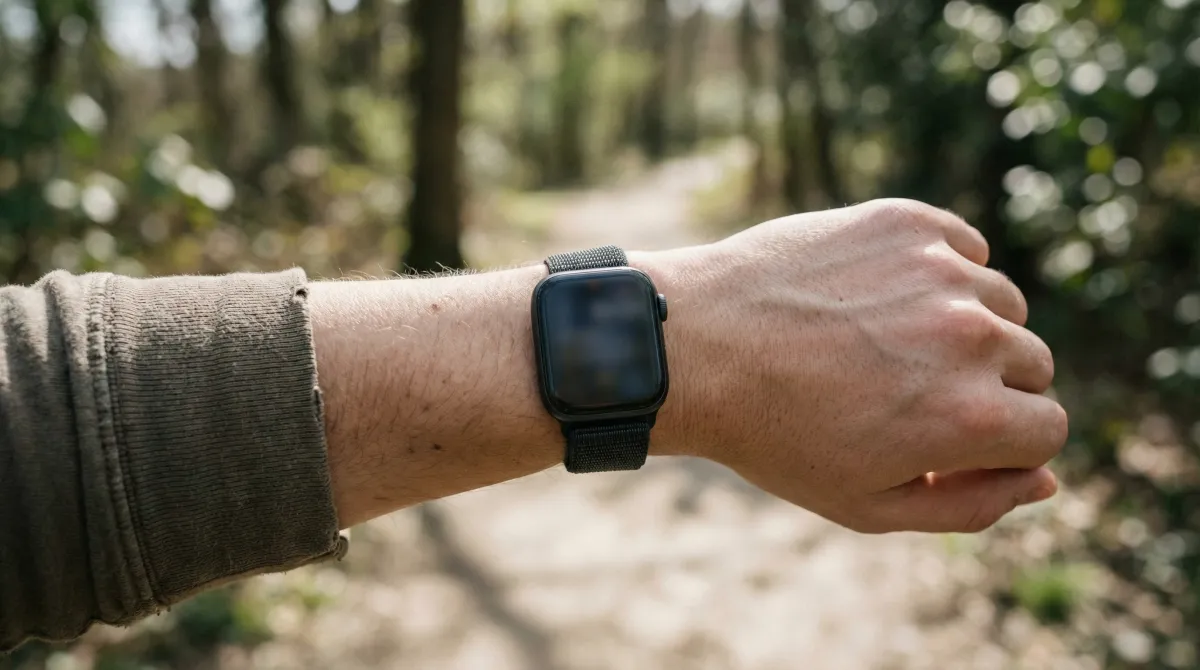
Why Heart Rate Monitoring Matters
Understanding how proper heart rate monitoring can optimize your training and recovery.
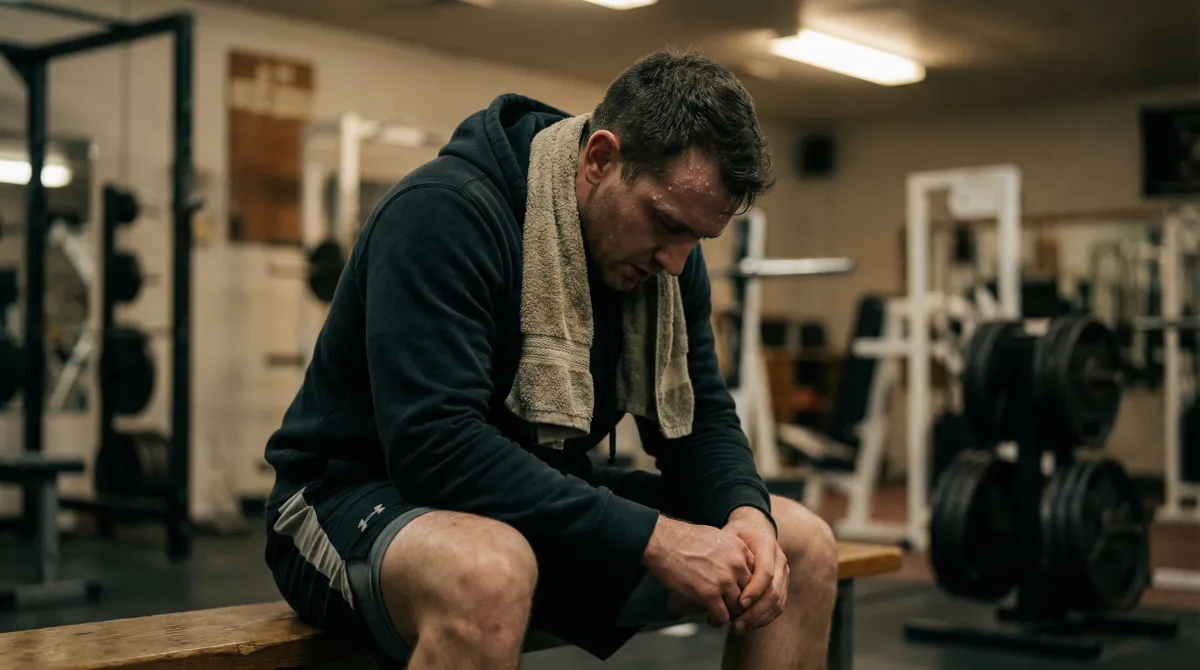
7 Signs You're Overtraining (and What to Do About It)
Learn the most common signs of overtraining, how to confirm them with your recovery data, and what to do this week to bounce back safely.

What Is HRV and Why Athletes Track It
A practical guide to heart rate variability: what it measures, HRV norms by age, diurnal variation, lifestyle factors, and how to use HRV trends for smarter training decisions.
Resting Heart Rate by Age: What's Normal and How to Improve It
See resting heart rate ranges by age, learn what drives RHR changes, and use a simple plan to improve your baseline over time.
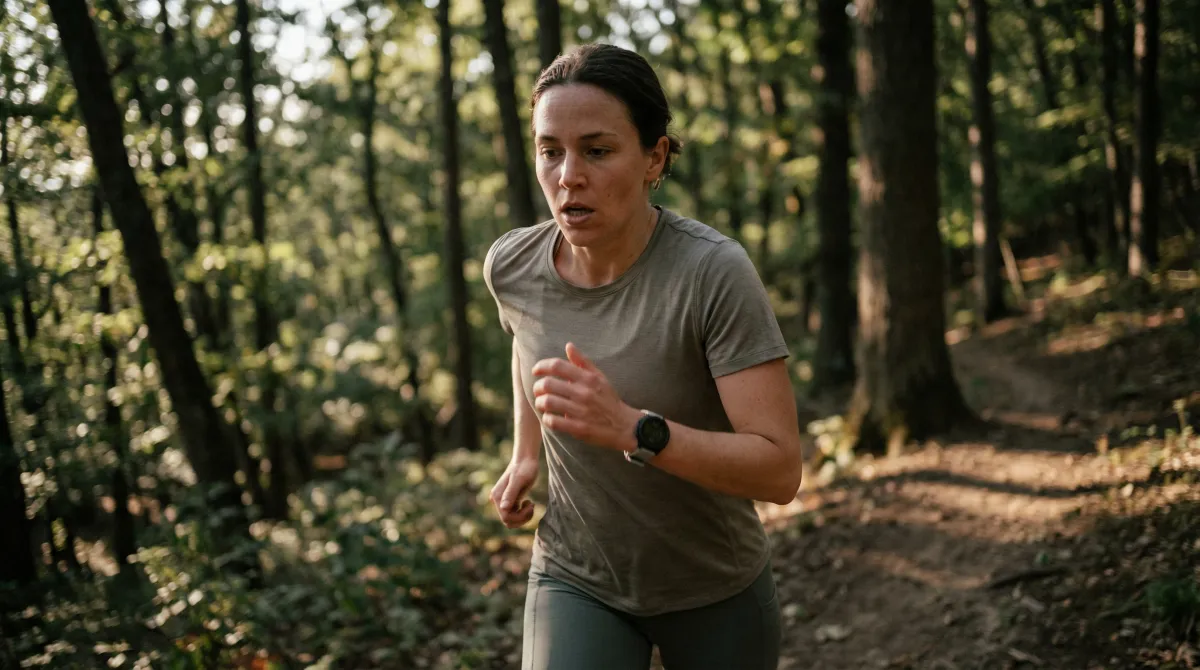
Heart Rate Zones Explained: How to Train Each Zone
Understand all 5 heart rate zones, what each one trains, and how to build a weekly plan that balances easy volume with hard efforts.
AI Fitness Coach: How Artificial Intelligence Is Changing Personal Training
Discover how AI fitness coaches work, what they can and can't do, and how to decide if an AI personal trainer is right for your goals.
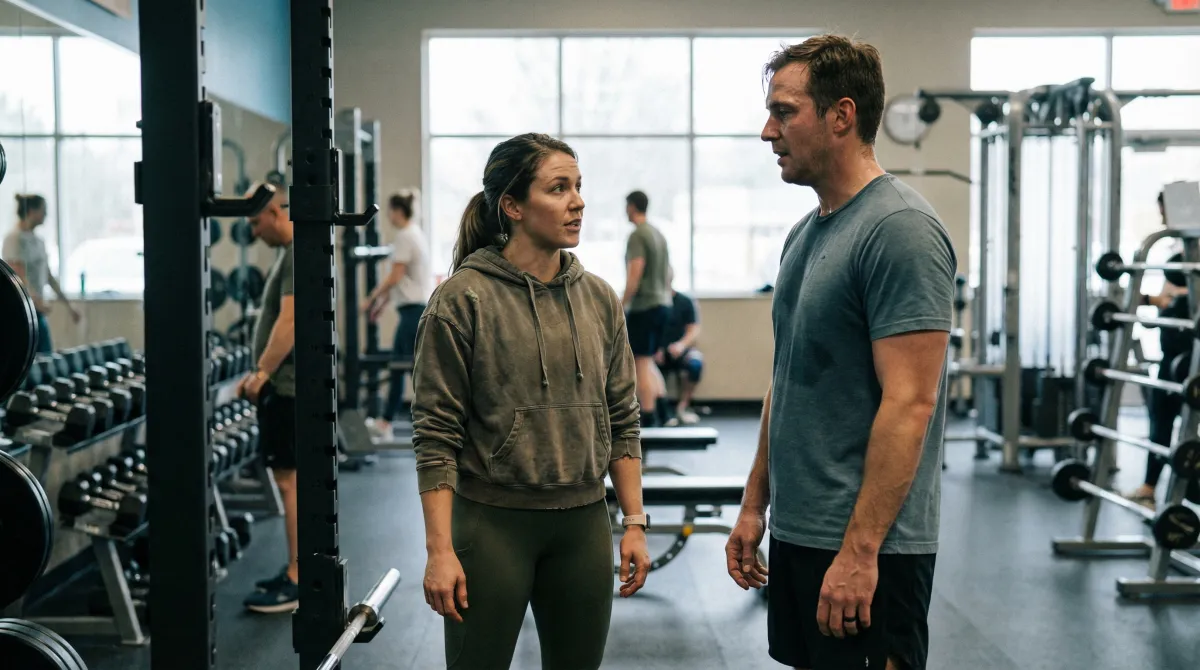
Do You Really Need a Personal Trainer? (Or Will an App Do?)
Wondering if a personal trainer is worth the cost? Compare the pros and cons of human coaches, fitness apps, and AI trainers to find the best fit for your goals and budget.

How Sleep Affects Your Workout Performance and Recovery
Learn why sleep is your most powerful recovery tool, how poor sleep sabotages training gains, and practical strategies to improve both sleep quality and athletic performance.
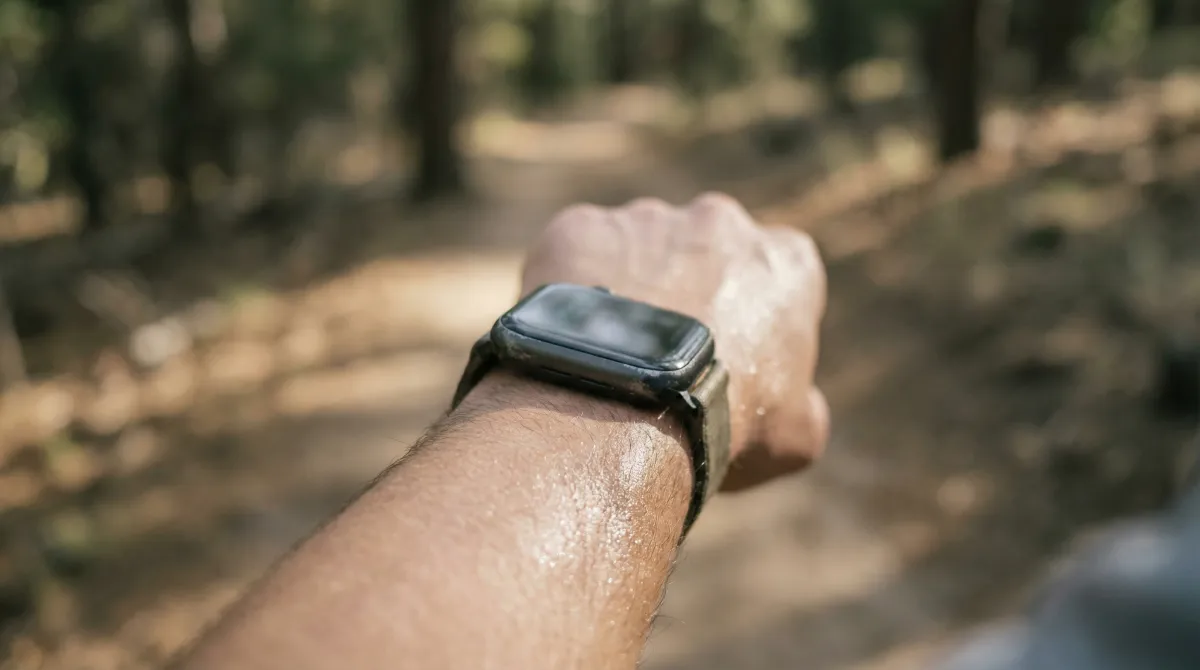
Best Apple Watch Fitness Apps (2026): 8 Tested
We tested 8 Apple Watch fitness apps for training, recovery, and nutrition. Strava leads for running; Cora is top-rated (4.8/5) for all-in-one coaching.
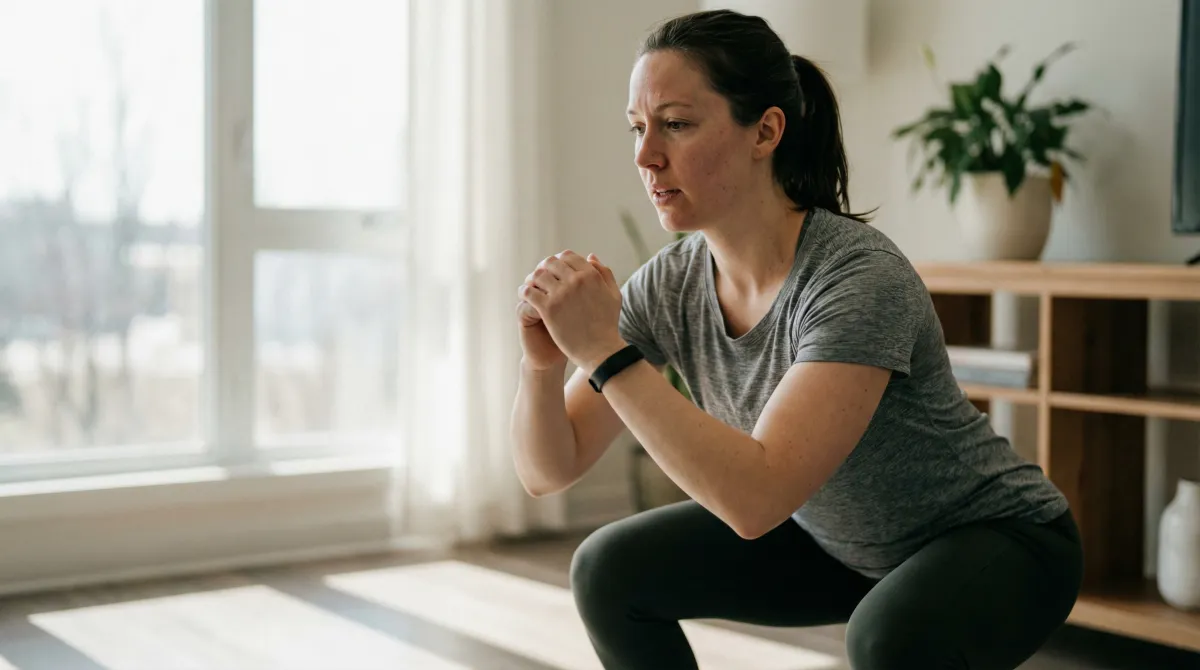
The Complete Beginner Workout Plan: Your First 8 Weeks
A structured 8-week workout plan for complete beginners. Build strength, cardio fitness, and healthy habits with a simple, progressive program you can start today.

Why Rest Days Are Just as Important as Training Days
Rest days aren't lazy days — they're when your body actually gets stronger. Learn how many rest days you need, what to do on them, and how to tell when you need more recovery.

VO2 Max by Age Chart: ACSM Norms for Men & Women
See ACSM VO2 max norms by age and sex. Average for a 30-year-old male is 35–40 ml/kg/min. Tables cover ages 20–79 with poor-to-superior ratings.
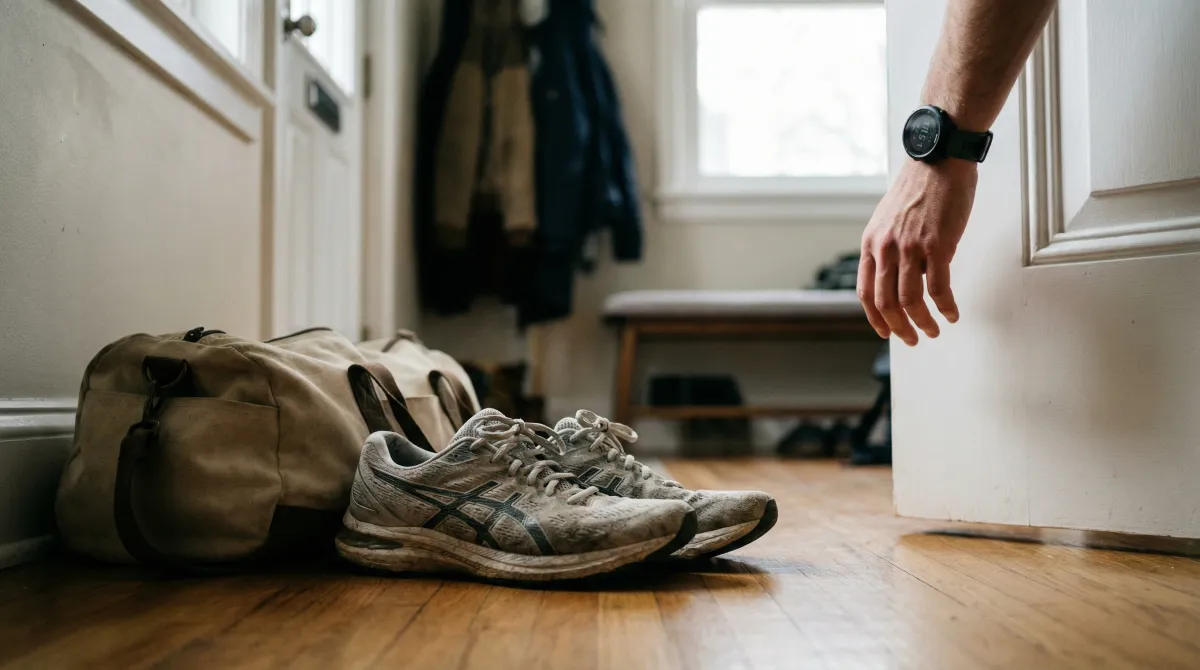
10 Workout Consistency Tips That Actually Work
Evidence-based strategies for building a lasting workout habit. Learn why systems beat motivation and how to design a routine you will actually stick with.

Why You Keep Quitting the Gym (It's Not What You Think)
About 50% of new gym members quit within 6 months. The problem is rarely willpower. Learn the real reasons people drop out and how to break the cycle for good.

Body Charge Explained: What Your Recovery Score Really Means
Understand Cora's Body Charge score: how it is calculated from sleep, HRV, resting heart rate, and training load, and how to use it to guide daily training decisions.
HRV Chart by Age: RMSSD Norms from 10ms to 120ms
Find your RMSSD range by age. A typical 25-year-old averages 60–80ms; a 55-year-old averages 25–45ms. Peer-reviewed norms from 44,000+ participants.

Macro Tracking for Athletes: The Complete Guide
Learn how to calculate protein, carb, and fat targets for your sport. Includes ISSN-backed recommendations, step-by-step calculations, and periodized nutrition strategies.

How to Build a Workout Habit You Won't Break
Building a workout habit takes an average of 66 days. Learn the 5-step system backed by behavioral science: anchor cues, minimum viable workouts, fixed schedules, visible tracking, and the never-miss-twice rule.

Best Workout Recovery Apps (2026): 7 Apps Tested
We tested 7 fitness recovery apps in 2026. Apps combining HRV, sleep, and training load beat single-metric tools by ~25%. Full comparison inside.
Best Workout Split for Beginners (With Free Plan)
Full body, upper/lower, or push pull legs? Research shows full-body 3x per week is the best workout split for beginners. Includes a free starter plan and progression guide.
Nutrition for Recovery: What to Eat After Hard Training
Post-workout nutrition determines how fast you recover. Learn the protein, carb, and calorie targets backed by sports science, plus how nutrition directly affects HRV and recovery scores.

Best Workout Tracker per Reddit: 200+ Threads Analyzed
We analyzed 200+ Reddit threads (r/fitness, r/weightroom, r/AppleWatch). Hevy and Strong top Android picks. iOS users: see why r/AppleWatch picks differ.
Whoop Alternative Reddit: What the Community Actually Recommends
Reddit's verdict: no subscription, Apple Watch native. Top-upvoted themes analyzed from r/whoop, r/AppleWatch, r/fitness. Includes price comparison table and the specific Reddit threads where these conversations live.
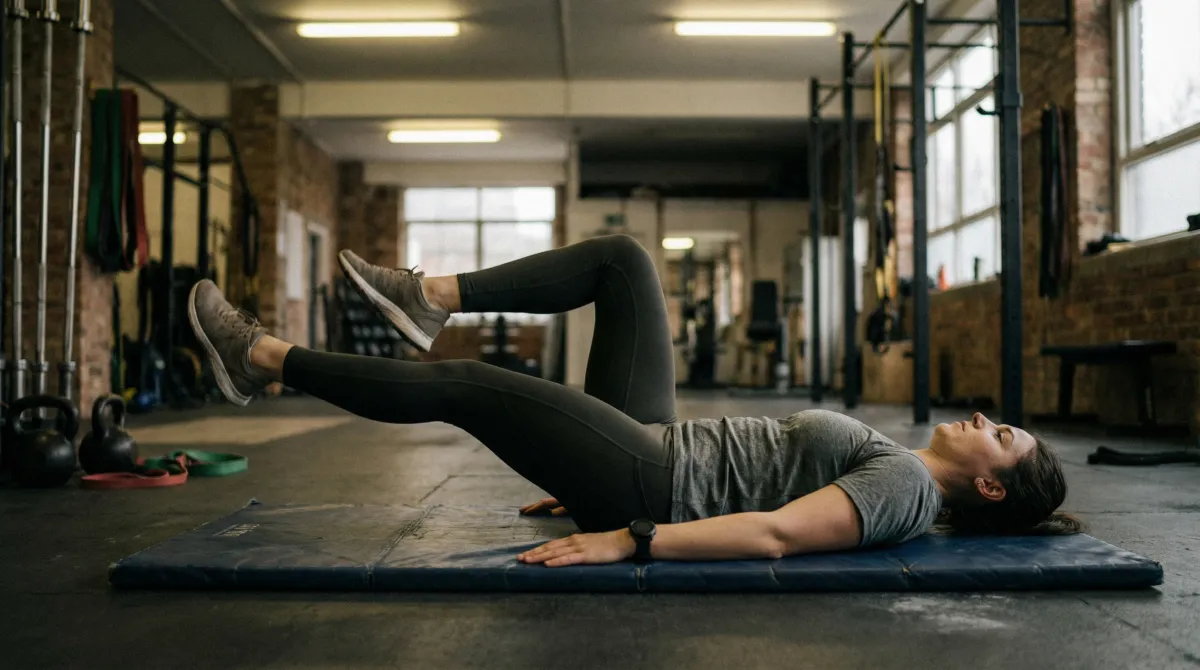
Flutter Kicks: The #1 Form Mistake (and How to Fix It)
Most people do flutter kicks wrong and train hip flexors instead of abs. The fix is one simple cue. Full form guide with muscles worked, common mistakes, and a 4-week progression plan.
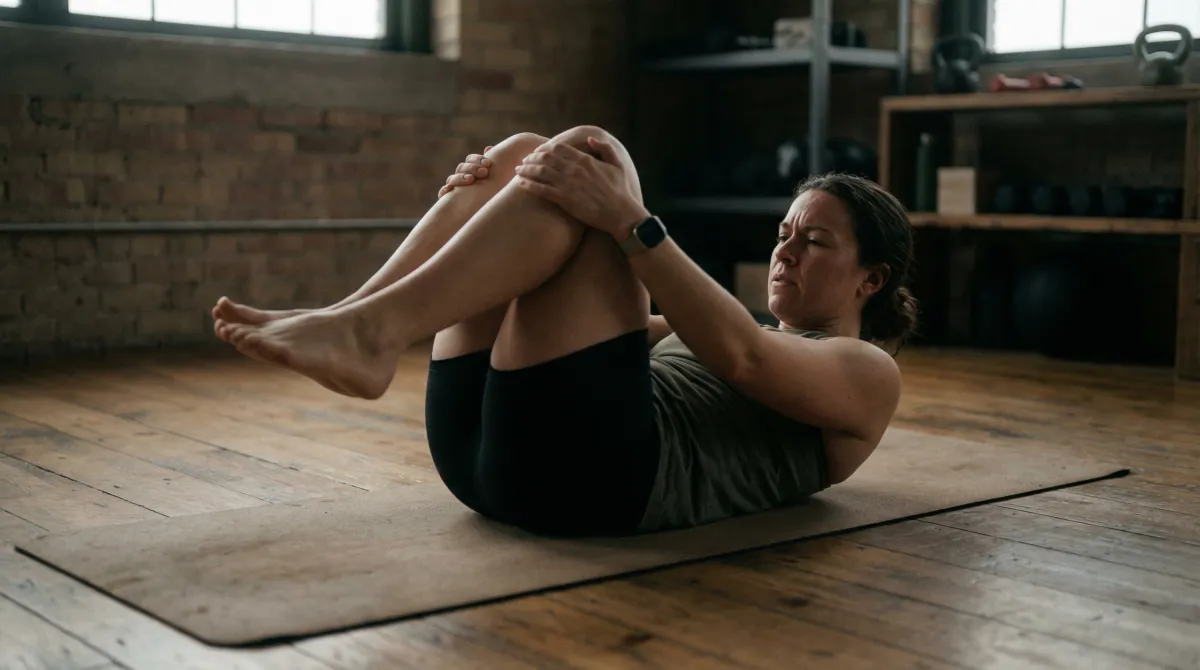
Reverse Crunch: Complete Guide to Form, Benefits, and Progressions
The reverse crunch is one of the safest and most effective lower ab exercises. Learn proper form, why most people do it wrong, and how to progress from beginner to advanced variations.
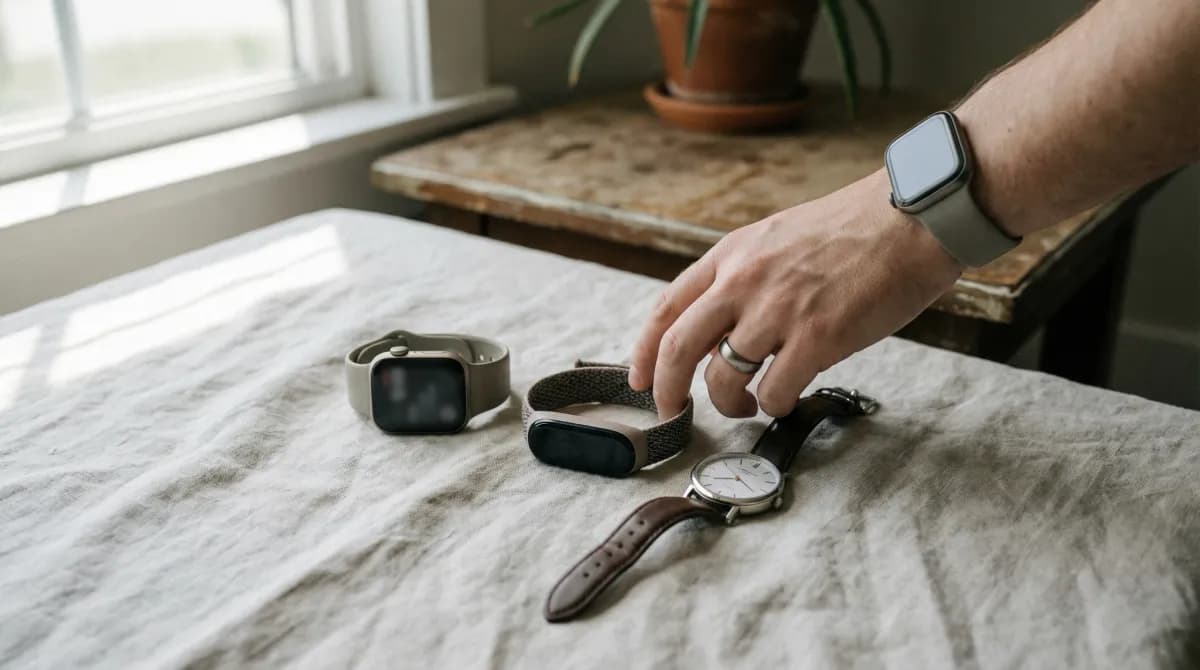
How to Choose a Fitness Wearable in 2026: The Complete Buyer's Guide
Apple Watch vs Garmin vs Whoop vs Oura: which fitness wearable is right for you? Cut through the marketing with this guide to the 5 factors that actually matter for training and recovery.

How to Track Training Load (and Why It Matters)
Training load management reduces injury risk by 30-50%. Learn how to calculate your load, understand the acute-to-chronic workload ratio, and use these metrics to train smarter.
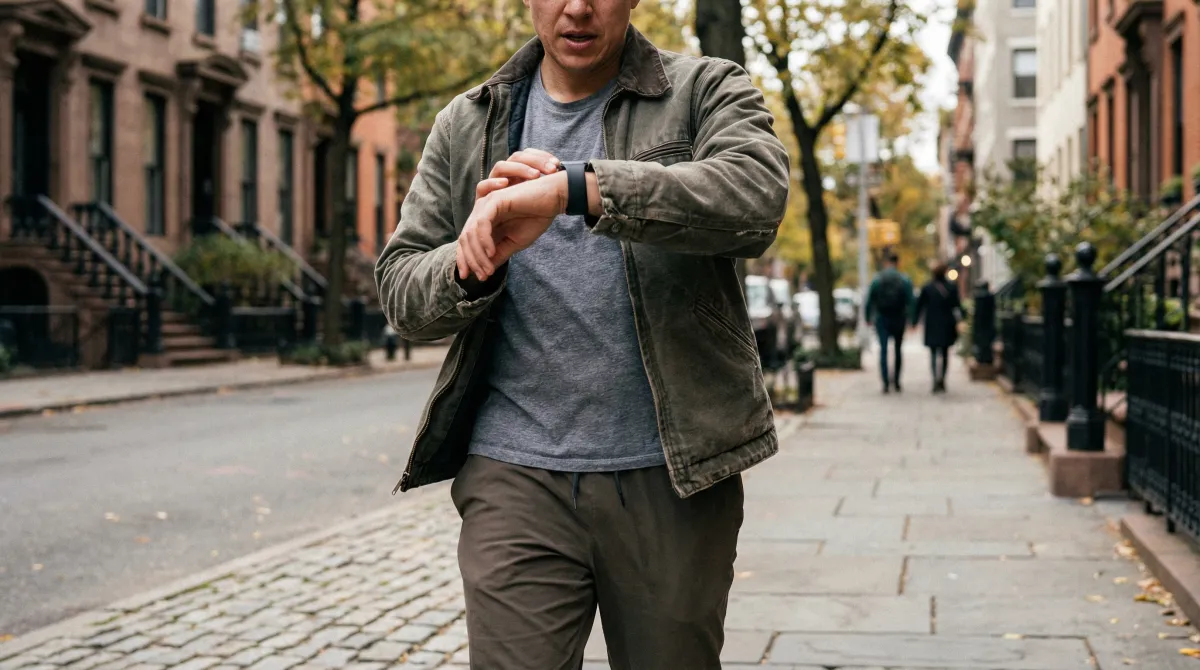
How to Use Your Apple Watch as a Fitness Coach
Your Apple Watch collects more health data than most people realize. Learn how to set it up for serious fitness tracking and pair it with a coaching app to get daily personalized training guidance.
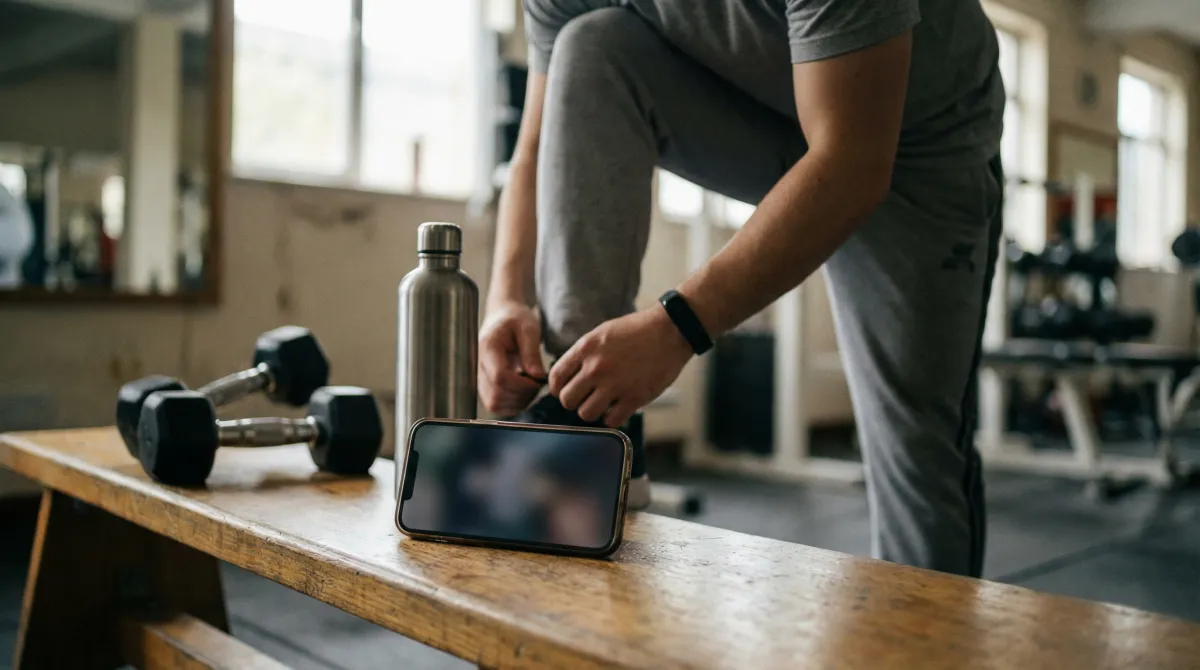
Best Fitness Apps for Workout Consistency (2026 Tested)
If you struggle to stay consistent with workouts, you are not alone — it is a system problem, not a willpower problem. Apps that solve the 4 real reasons people quit, plus a step-by-step habit-building framework.
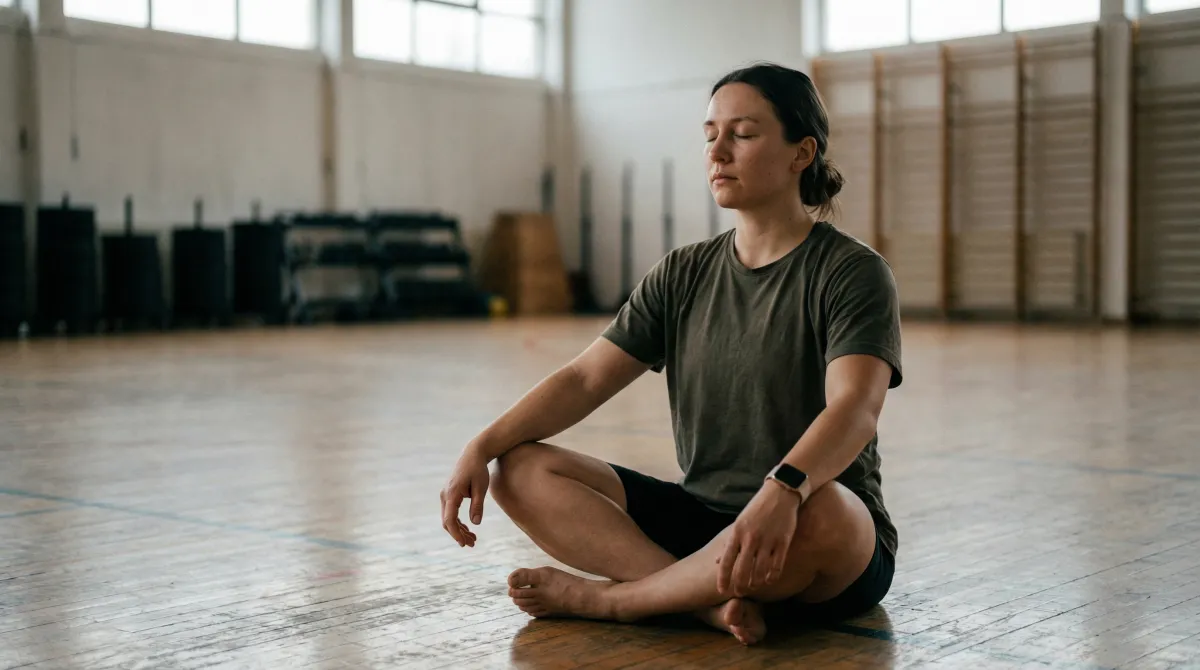
HRV-Guided Training: How to Use Heart Rate Variability to Plan Your Workouts
Athletes who adjust training based on daily HRV readings gain more fitness with less overtraining risk. Learn the traffic-light framework, what the research says, and how to set it up with your Apple Watch.
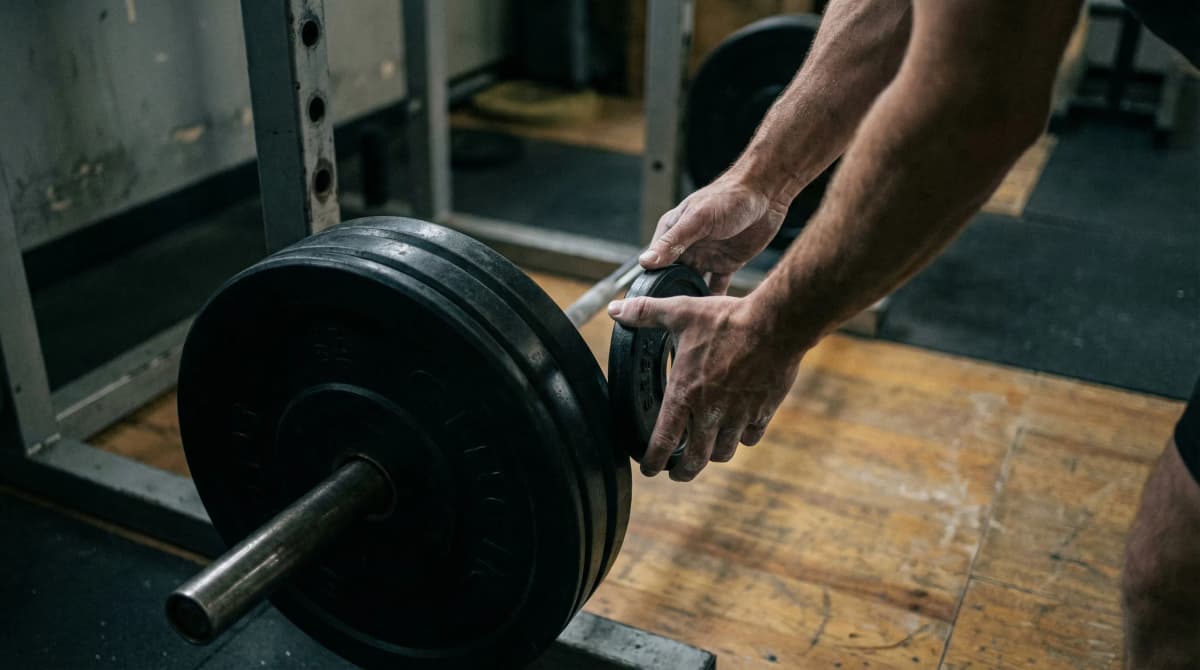
Progressive Overload Explained: The Key to Building Muscle and Strength
The single most important training principle — with concrete progression examples for beginners, intermediate, and advanced lifters. Includes how AI coaching handles progression when recovery is limiting your gains.
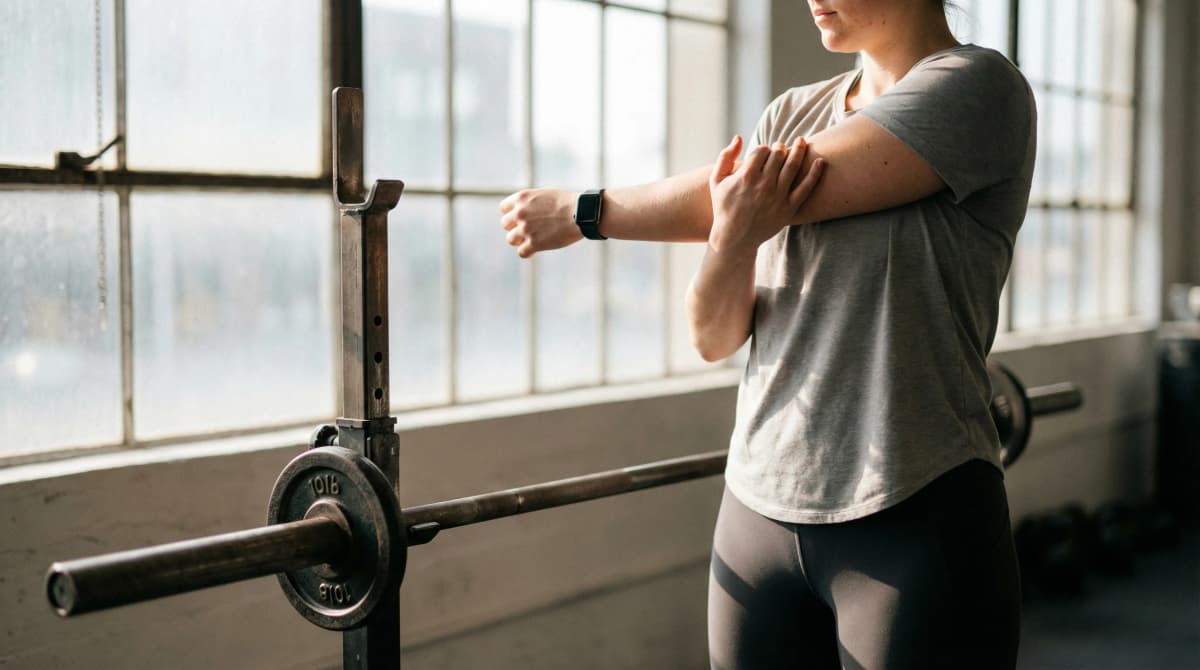
Deload Week: When, How, and Why You Need One
HRV-triggered deload signals, 4 specific deload templates by training style, and how to use recovery data to time deloads with precision instead of guesswork. Updated April 2026.

How to Get Back Into Working Out After a Break
Returning to the gym after weeks or months off? Here's the science of detraining, a 4-week comeback plan, and how to avoid the ego trap that causes re-injury and re-quitting.
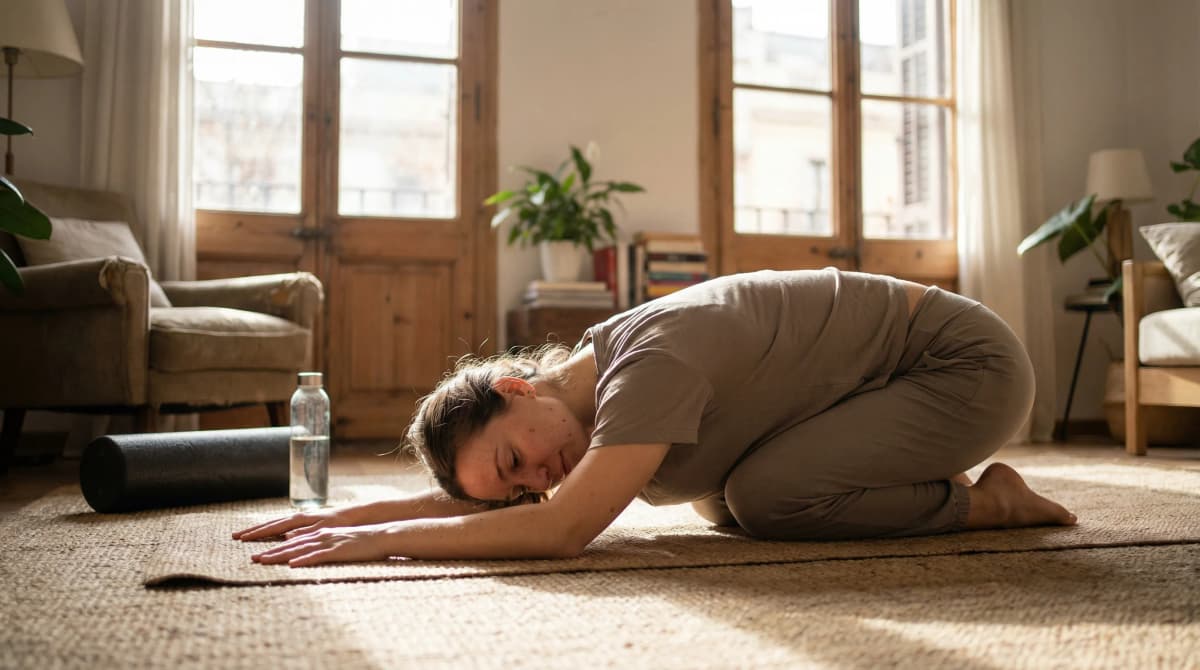
Active Recovery: Best Exercises and Why It Works
Active recovery accelerates repair by increasing blood flow without adding training stress. Learn the best active recovery exercises, how hard to go, and when to choose active rest over full rest.

Morning vs Evening Workouts: When's the Best Time to Exercise?
Research shows evening workouts produce slightly better strength gains, but morning exercisers are more consistent. The real answer depends on your goals, schedule, and recovery data.
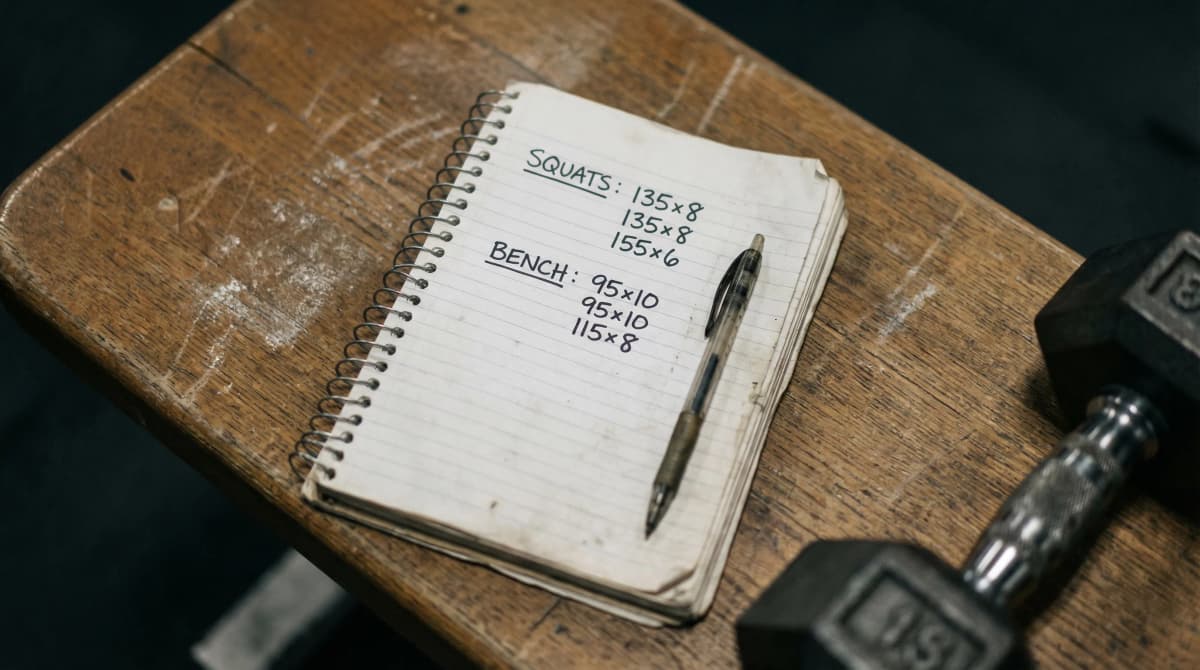
How Many Sets Per Muscle Group Per Week? (Science-Based Guide)
Research shows 10-20 sets per muscle group per week is optimal for most lifters. Learn the dose-response relationship, how experience level changes the target, and how to track weekly volume.
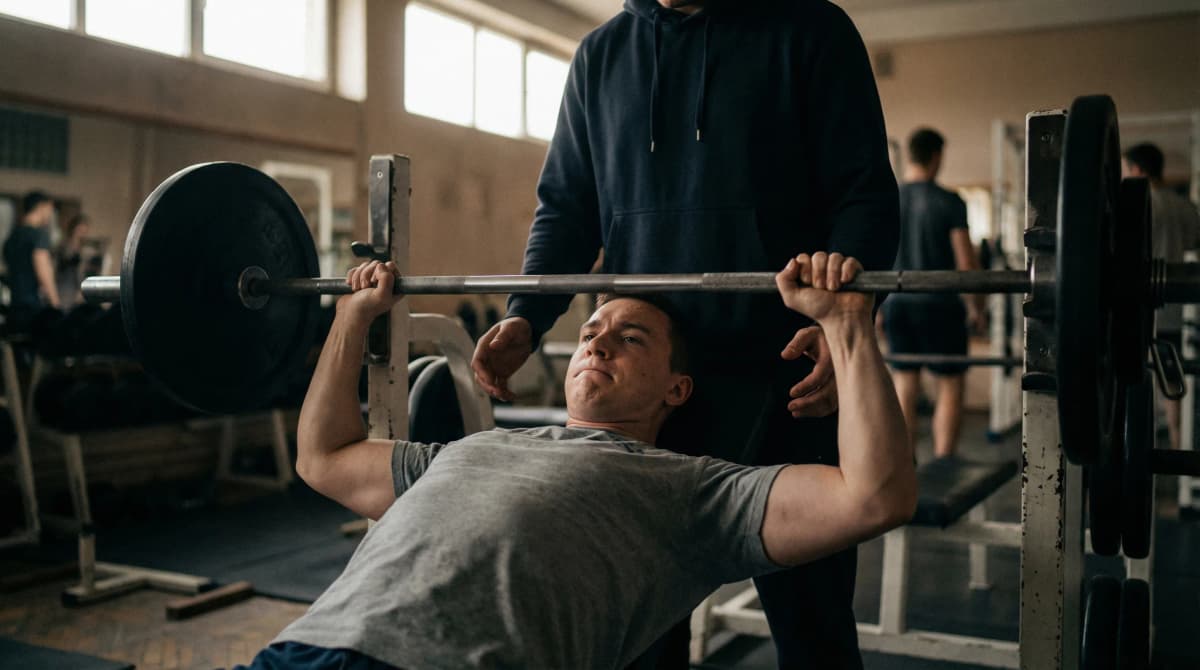
Autoregulated Training: How to Adjust Workouts Based on Your Body
Autoregulated training adjusts intensity, volume, and exercise selection based on daily readiness. Learn RPE scales, HRV-guided methods, velocity-based training, and how apps like Cora autoregulate your workouts using recovery data.
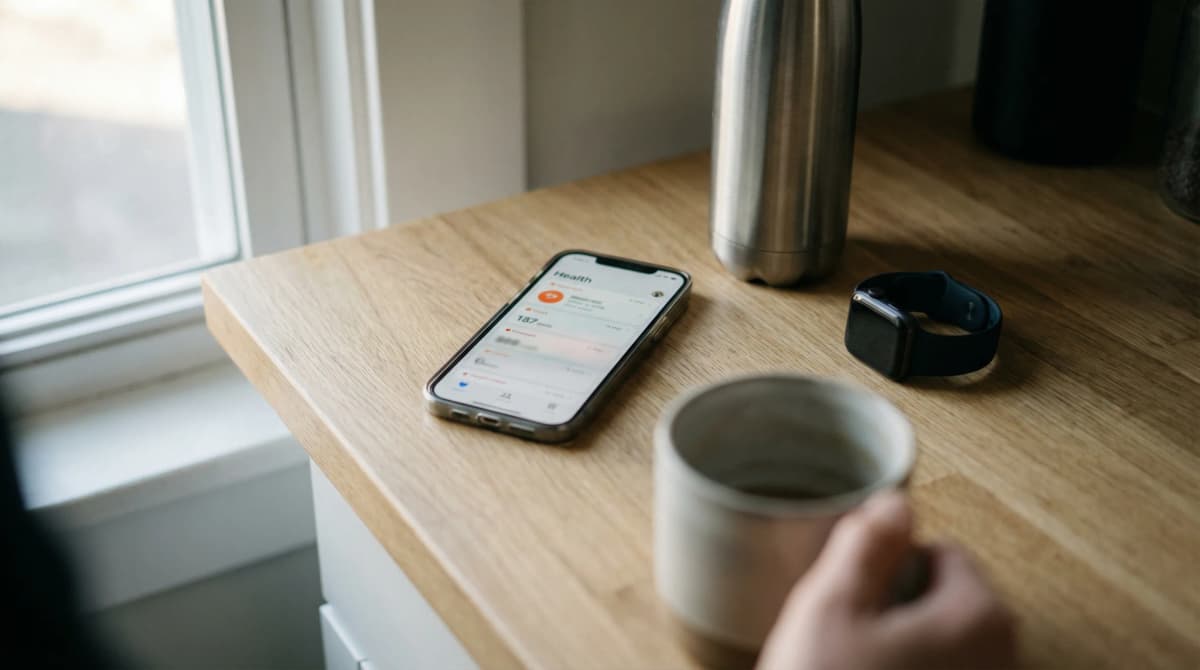
Best Fitness Apps That Sync with Apple Health (2026)
We compared Cora, Athlytic, Fitbod, Hevy, Strong, Gentler Streak, Streaks Workout & MyFitnessPal for Apple Health integration. See what each app reads and writes, which apps use HRV and sleep data for training decisions, and how to choose.
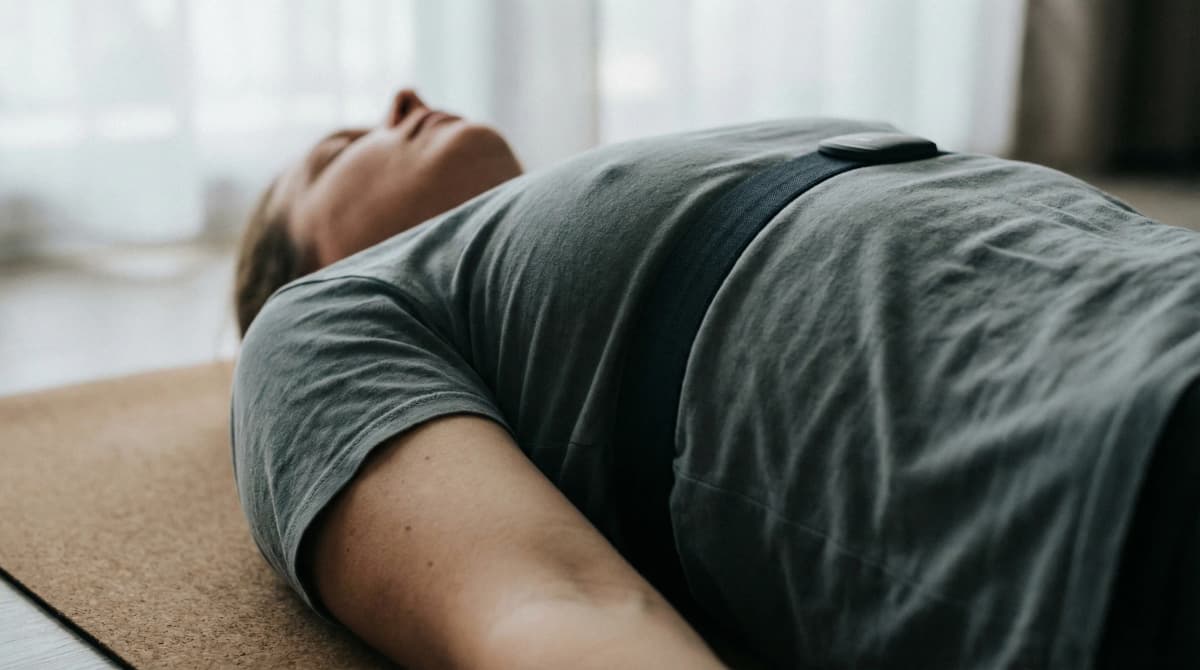
What Is RMSSD? Understanding Your HRV Number
RMSSD explained with a practical decision framework: how to interpret YOUR specific number relative to your baseline, a three-zone training guide, and how to cross-check RMSSD against resting heart rate. Updated April 2026.

Calories Burned Per Day by Age: Complete Chart for Men and Women
How many calories does your body actually burn per day? See the full chart by age and sex, plus how metabolism changes across your lifetime and what you can do about it.
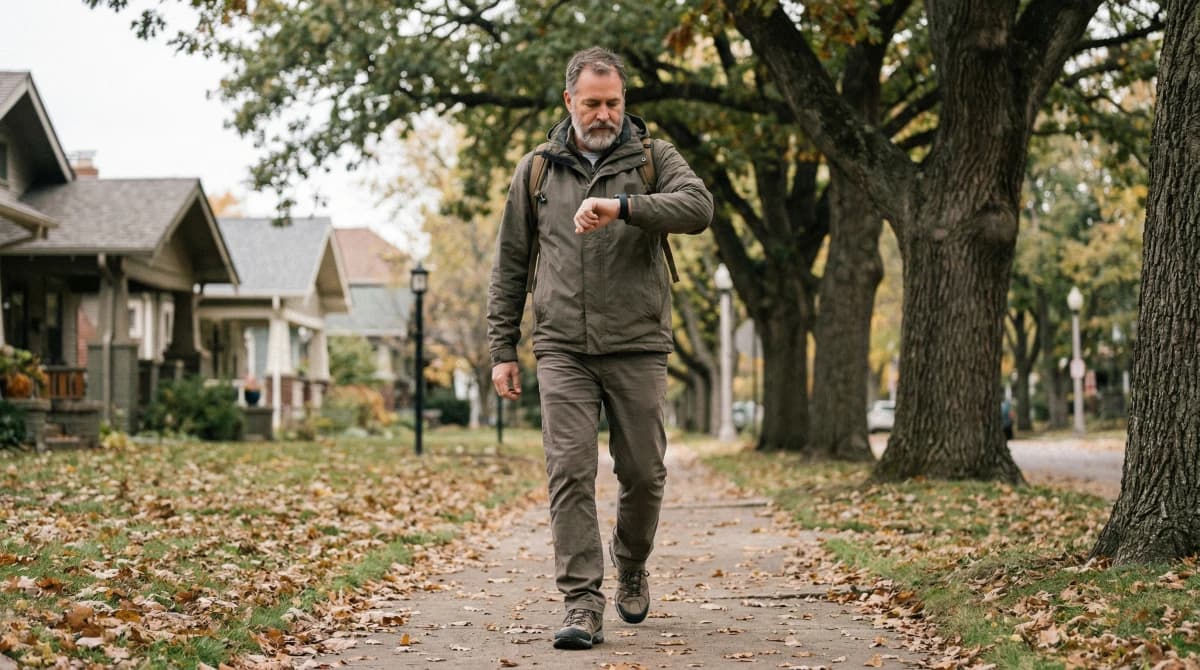
Steps Per Day by Age: What the Research Actually Says
The 10,000 steps goal is a myth. Here is what research actually says about optimal daily steps by age, and what step count is linked to the biggest reduction in mortality risk.
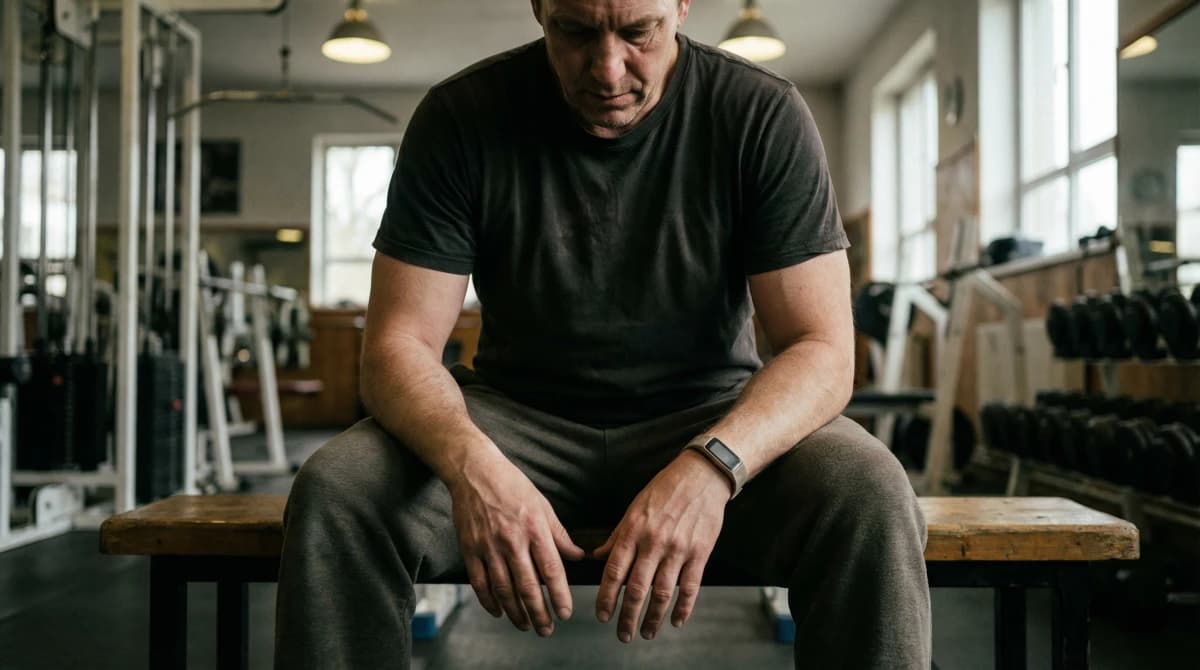
Muscle Recovery Time by Age: How Long You Actually Need Between Workouts
Recovery time between workouts increases with age, but by how much — and what can you do about it? This guide breaks down the science of muscle recovery by decade.

Best Fitness App According to Reddit (2026)
We analyzed hundreds of Reddit threads across r/fitness, r/AppleWatch, and r/loseit to find the fitness apps Reddit users actually recommend in 2026.
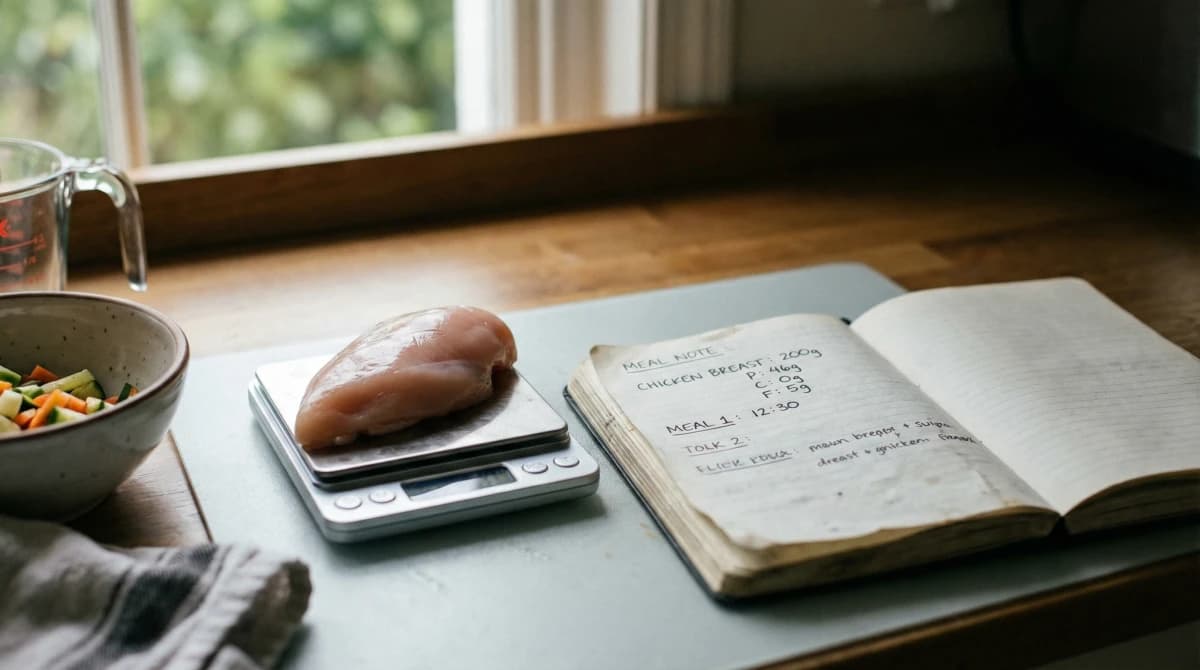
Protein Intake by Body Weight: How Much Protein Do You Actually Need?
The science on protein requirements has shifted significantly in the last decade. Here is the actual research-backed amount of protein you need per pound (or kg) of body weight.
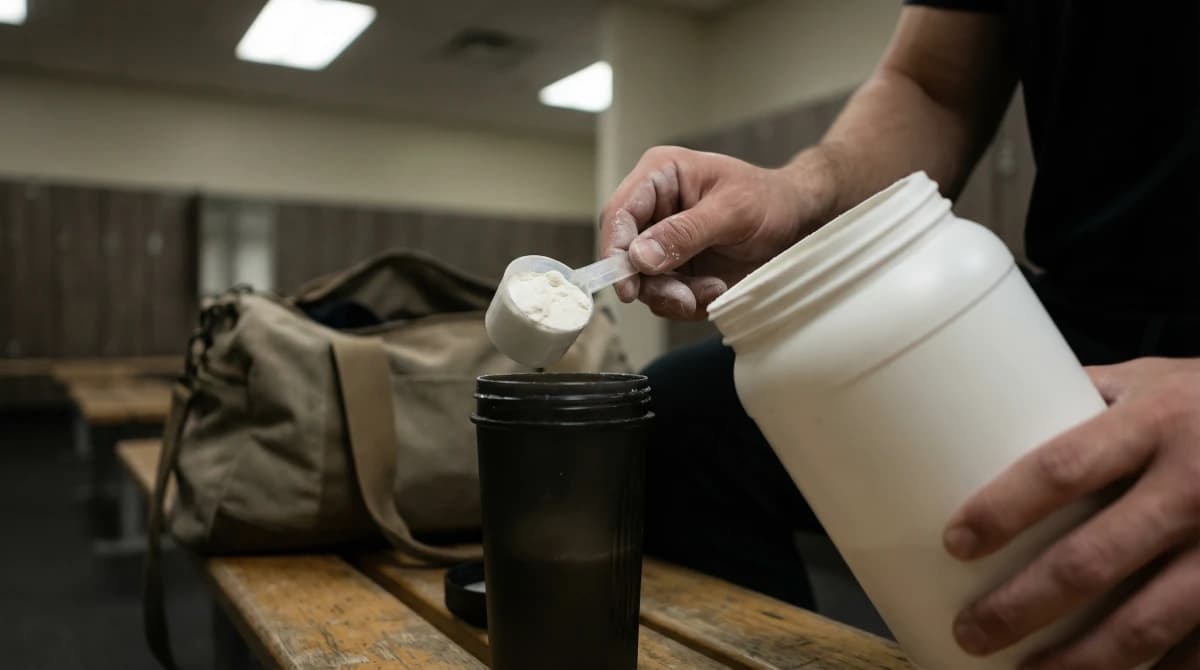
Creatine: What It Does, Who Needs It, and How to Take It
Creatine is the most researched supplement in sports science. Here is everything the evidence actually shows about creatine monohydrate — the benefits, the myths, and exactly how to take it.

What's a Good One Rep Max? Bench, Squat & Deadlift Standards
1RM standards for bench press, squat, and deadlift by body weight and experience level — with a calculator to estimate yours from any working set.
What is Body Charge? Cora's 0-100 Recovery Score Explained
Body Charge is Cora's daily readiness score that combines sleep, HRV, resting heart rate, and training load into a single 0–100 number. Here is exactly how it is calculated and what each range means for your training.
The HRV-Guided Training Protocol: How to Adjust Workouts Based on Recovery
A 2007 study found that athletes who adjusted intensity based on daily HRV improved VO2max 3.7% more than those on fixed schedules. Here is the complete protocol — green, yellow, and red day guidelines with a sample week.
How to Use Apple Watch as a Strength Training Coach
Apple Watch Series 9+ counts reps automatically, tracks heart rate zones during lifts, and feeds training load data into recovery scores. Here is how to set it up for serious strength training.
Recovery Heart Rate: What It Is and Why It Matters
Heart rate recovery (HRR) — how fast your heart rate drops after exercise — is one of the strongest predictors of cardiovascular health. A 1999 NEJM study found low HRR predicts 4x higher mortality risk. Here is what to measure and how to improve it.
Zone 2 Training on Apple Watch: The Complete 2026 Guide
Everything you need to set up accurate Zone 2 training on Apple Watch — zone calculation methods, app comparison, real-time alerts, and how to track mitochondrial fitness improvements over time.
Average HRV by Age on Apple Watch (Percentile Ranges)
Apple Watch SDNN values by age, sex, and percentile — based on population data from the Apple Heart and Movement Study and peer-reviewed autonomic research. Includes the SDNN vs RMSSD difference explained.
VO2 Max on Apple Watch by Age: How to Read Your Cardio Fitness
Apple Watch Cardio Fitness (VO2 max) classifications by age and sex, based on ACSM norms. Includes the full table of Low, Average, Good, Excellent, and Superior thresholds for men and women 20–69.
Resting Heart Rate on Apple Watch by Age (Population Data)
Average resting heart rate ranges on Apple Watch by age and fitness level — from sedentary to aerobically trained. Includes how Apple Watch measures RHR and how to use it as a daily recovery signal.
Apple Watch Cardio Fitness: What VO2 Max Categories Actually Mean
A plain-English breakdown of Apple Watch's six Cardio Fitness categories — Low through Very High — with the mortality risk data behind each tier and the training approach that moves you between them.
Sleep Stages on Apple Watch: REM, Core, Deep — Normal Ranges by Age
Normal REM, Core, and Deep sleep durations by age on Apple Watch, based on Ohayon et al. meta-analysis of 65 studies. Includes how Apple Watch Series 4+ tracks sleep stages and why Deep sleep declines after 30.
Active Calories on Apple Watch: Realistic Targets by Age and Sex
Population benchmarks for Apple Watch active calorie burn by age and activity level. Covers how the Move ring works, why active calories decline with age, and how to set a Move goal you can actually hit.
Apple Watch Exercise Minutes: How Much Is Enough by Age?
Exercise minutes benchmarks on Apple Watch by age, from WHO recommendations to active user averages. Covers what counts toward the Exercise ring, how different workout types compare, and the research on optimal weekly targets.
Apple Watch Wrist Temperature: Normal Ranges and What Deviations Mean
Apple Watch Series 8+ wrist temperature deviation ranges explained — what ±0.5°C, ±1°C, and ±1.5°C from your baseline actually mean for illness detection, recovery, and menstrual cycle tracking.
Apple Watch Mindful Minutes: Population Benchmarks and What They Predict
How many mindful minutes per day are needed for measurable benefits? Evidence-based benchmarks from PLOS Medicine meta-analysis (n=11,605) and how the Breathe app's paced breathing directly improves HRV.
Apple Watch Activity Rings: Population Completion Data and What Closing Them Means
What percentage of Apple Watch users close all three rings daily by age? Population data from the Apple Heart and Movement Study on ring closure rates, plus the health research on what consistent ring closure actually predicts.